Famous Trekking Trails of the World & Their Difficulty Ratings

Trek difficulty ratings are close to useless, simply because if someone says it’s challenging, it doesn’t mean the same “challenge”. A four-day walk in Iceland where a hut with a kitchen waits at the end of each day is very different from four weeks above 4000 metres in Bhutan where a snowstorm can end your trip. Both are challenging, but not even remotely comparable and if you’re planning a family trek with your kids, then each trek will create additional tests.
Every trek below is ranked on three separate things that most people don’t put together: how hard it is on your body, how much altitude risk it carries, and how much administrative friction stands between you and the trailhead. That last one is the one nobody writes about, and it’s the main reason more trips never happen.
The three things that actually decide whether you finish
Physical load. Total ascent matters more than distance. Corsica’s GR20 covers 180 km, but climbs roughly 10,000 m across it, which is why fit people limp off it. A flatter trail twice the length can be easier.
Altitude risk. Above about 3,000 m, your body starts working noticeably harder. Above 4500 m, altitude sickness becomes a planning problem rather than a footnote, but it can vary from person to person. Here’s what surprises people: gym fitness offers almost no protection. For example, I’ve never had an issue in Peru while some others needed to use oxygen bottles)
Logistical friction. Permit caps, booking lotteries, hut reservations that open in January, guide requirements written into national law, seasonal closures, and flights that only run in decent weather. A trek can be physically easy and still be out of reach because you didn’t book it a year in advance.
Most round-ups only cover the first. The three treks below with the highest friction scores are the ones people most often give up on, and not one of them is the hardest walk on the list.
Tier one: manageable if you walk regularly
1. Laugavegur Trail, Iceland
Distance 55 km / 34 mi · Days 3 to 4 · Max altitude ~1,100 m / 3,600 ft
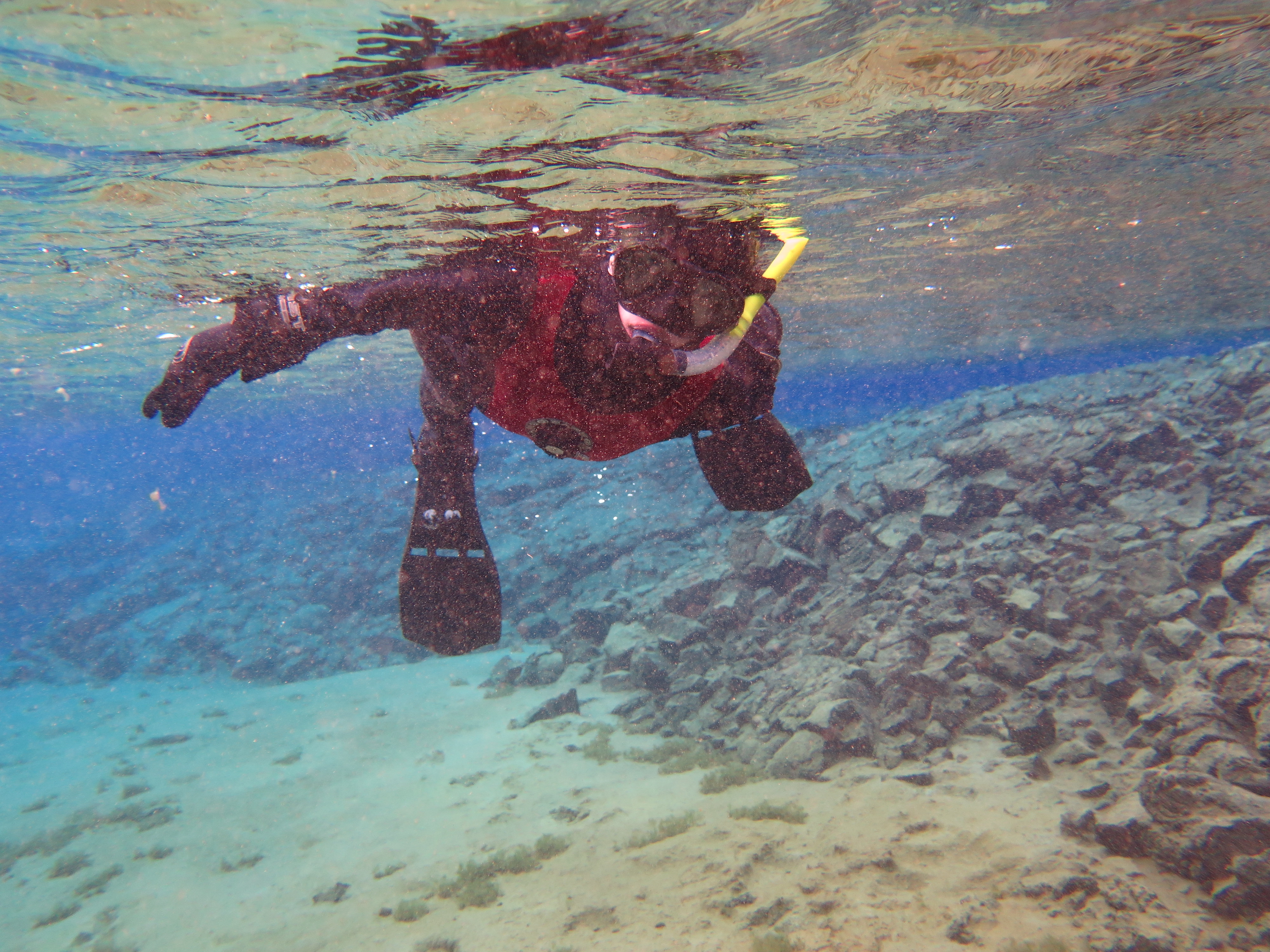
Iceland is on everyone’s bucket list. It’s a perfect destination for everyone and views are unbeatable and treks are honestly fairly easy. You can surely do them with kids as well (I’ve done it with my 7 year old!).
The only problem? The huts. They’re run by the Icelandic Touring Association, they’re small, and they sell out months ahead for the short late-June to early-September season. Camping alongside them needs pre-booking too. There’s a bus at each end and no road access in the middle, so a weather day means sitting it out rather than walking out.
2. Alta Via 1, Dolomites, Italy
Distance ~120 km / 75 mi · Days 10 to 12 · Max altitude ~2,750 m / 9,000 ft
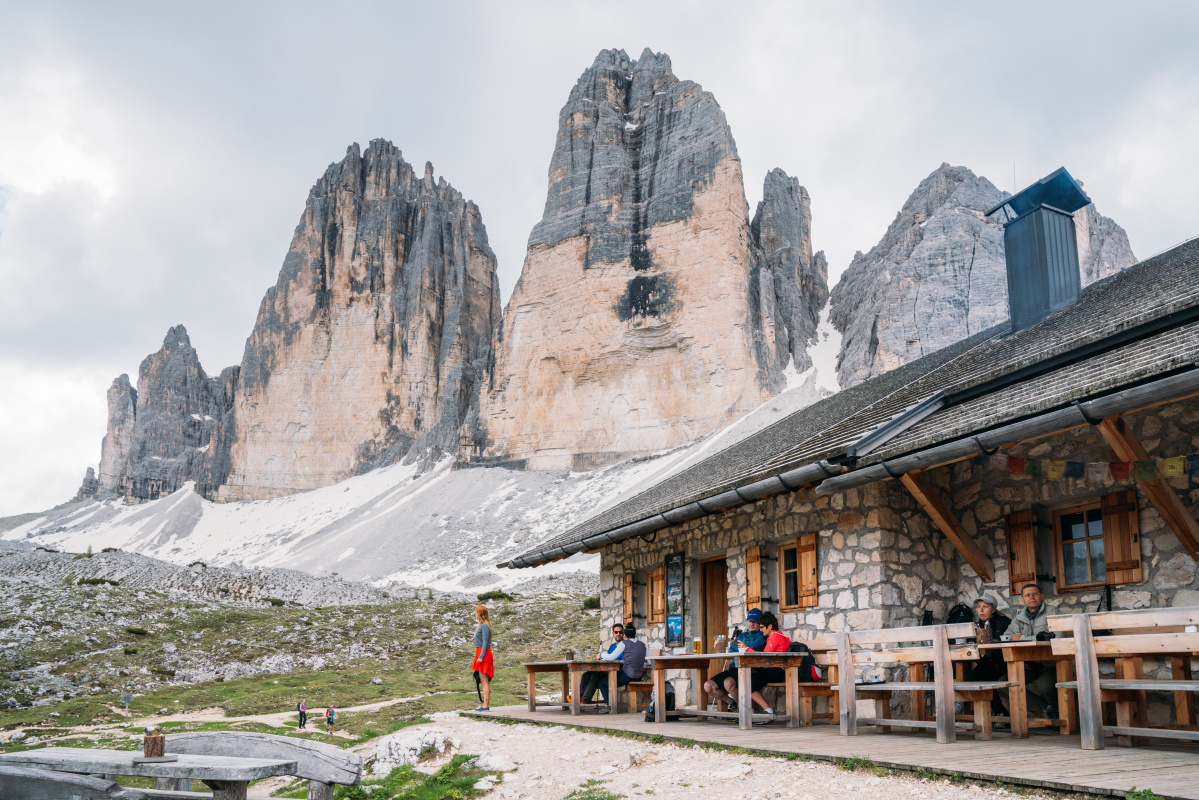
Lago di Braies south to Belluno, sleeping in rifugios that serve proper dinners and cold beer is literally straight out of a postcard. The altitude never becomes a health issue, and cable cars let you shorten sections without shame.
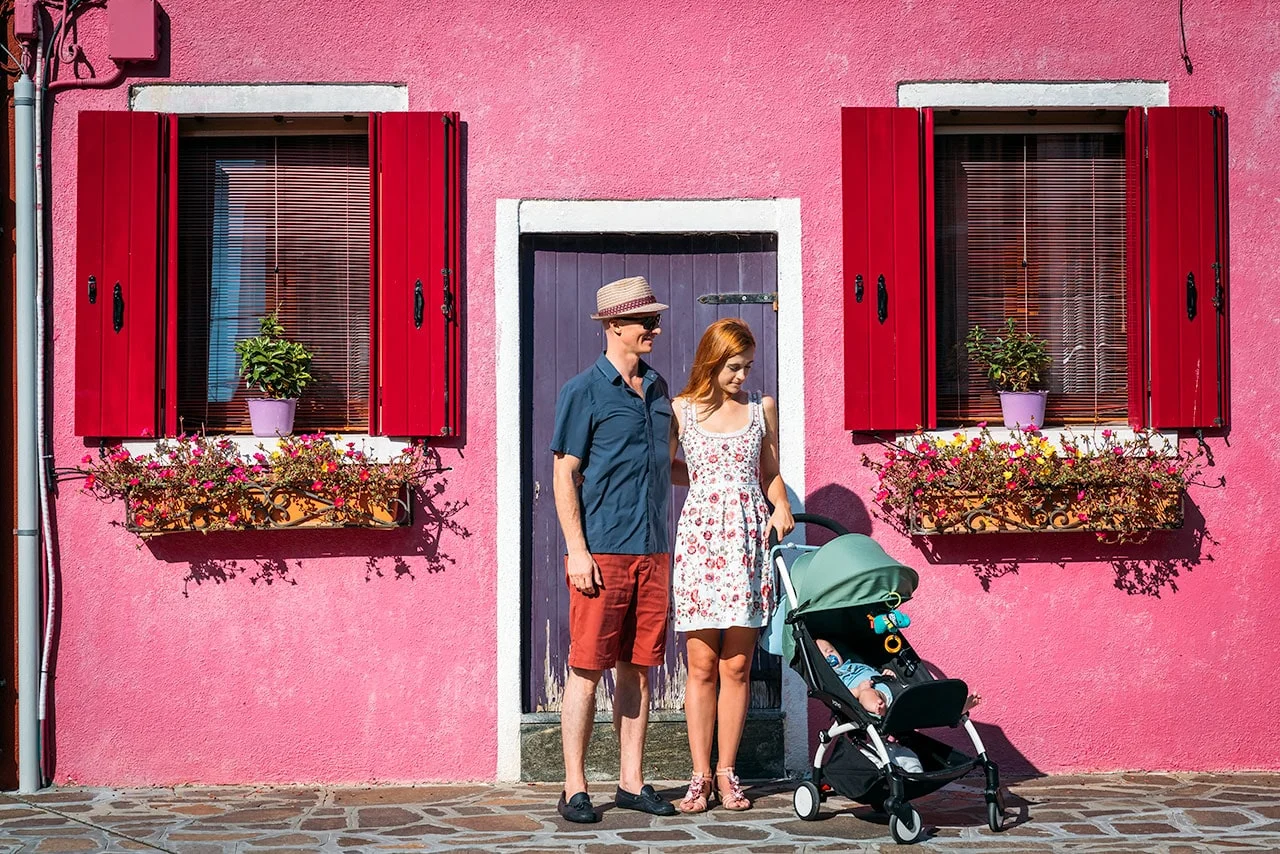
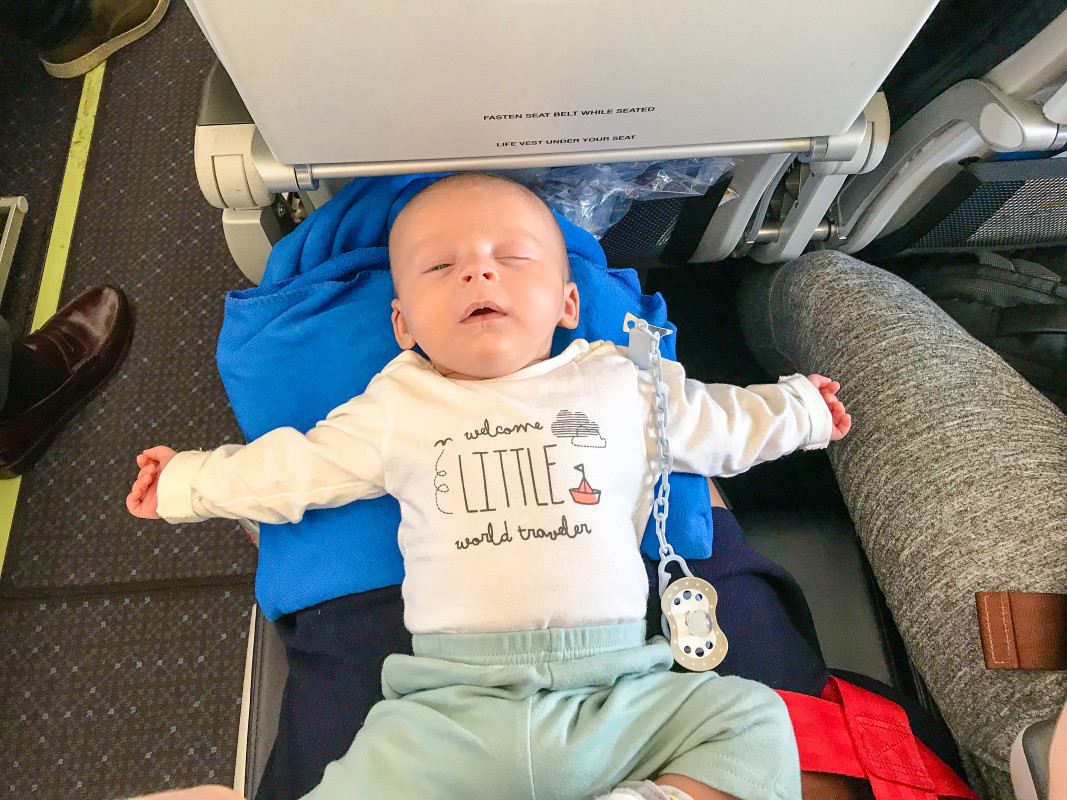
While there are many Via Ferratas, you can definitely skip them if you’re traveling with kids. I used to hike all over the Dolomites and skipped the harder treks when my firstborn was just a baby. We could still stay in mountain huts without any issues – they’re all kid-friendly.
Rifugio bookings open early in the year, and the popular ones go fast. Season is roughly late June to late September and rain can definitely interrupt your trip, so it’s a tough one to plan.
3. W Trek, Torres del Paine, Chile
Distance ~80 km / 50 mi · Days 4 to 5 · Max altitude ~1,200 m / 3,900 ft
Patagonian granite towers, glaciers and wind strong enough to knock you sideways. Physically it’s moderate and many backpackers do it without any preparation.
Administratively, it’s one of the strictest trails anywhere, with park entry plus separate accommodation bookings across two different concession operators, and rangers will turn you back at checkpoints if you can’t show them. You must book everything six months out for the October to April window.
Tier two: fit, but no technical skills needed
1. Salkantay Trek, Peru
Distance ~72 km / 45 mi · Days 5 · Max altitude 4,630 m / 15,190 ft
It’s probably the trek most people dream about and then miss out on. It reaches Machu Picchu without the Inca Trail‘s permit cap. Inca Trail places sell out four to six months ahead and since that cap counts guides and porters, the real number of trekker slots is much smaller than the headline.
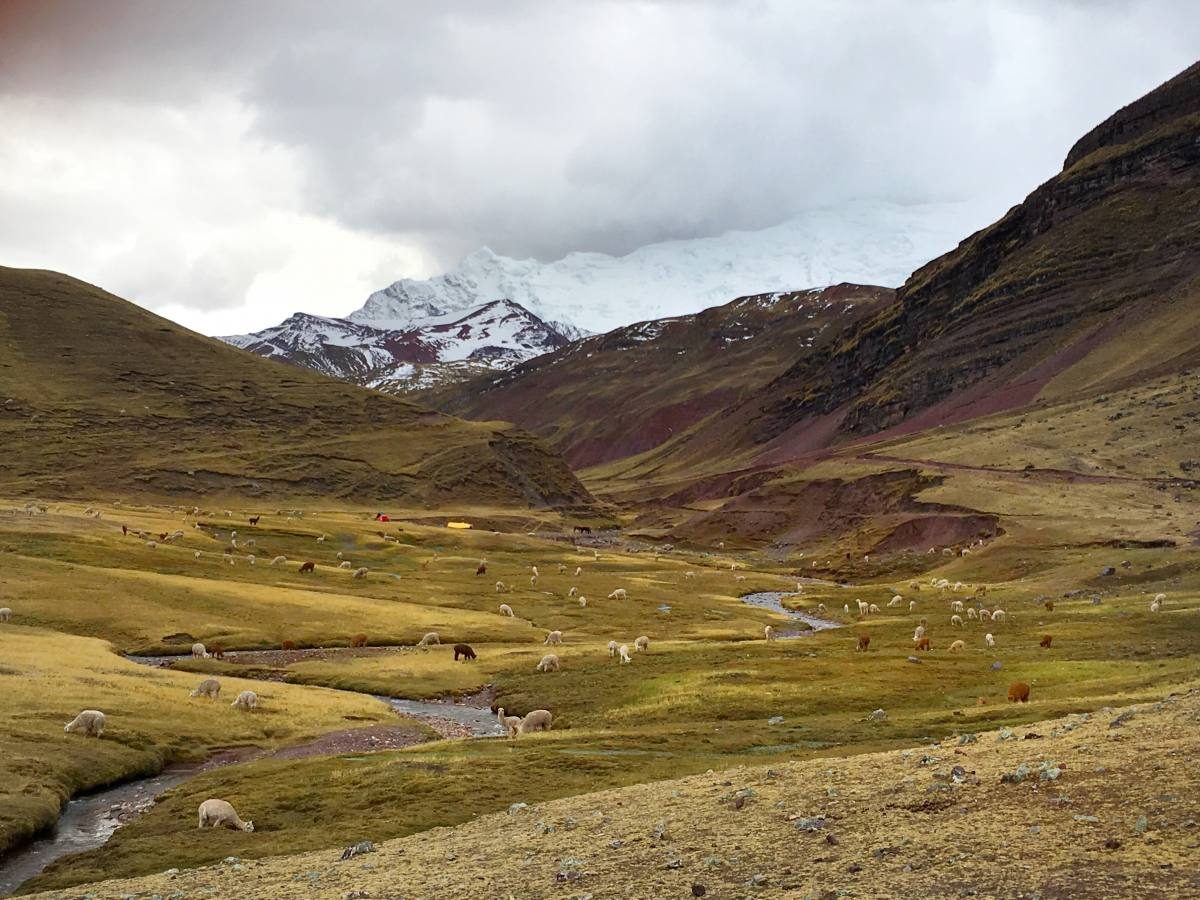
Salkantay has no equivalent lottery, crosses a higher pass, and sees fewer people on the trail. You still need to acclimatise in Cusco so that part alone will be rough for many. However, two trips later, one of which was with my kids, I had no problem with the altitude, and that includes even higher elevations like the Rainbow Mountain trek.
2. Mount Kilimanjaro, Tanzania
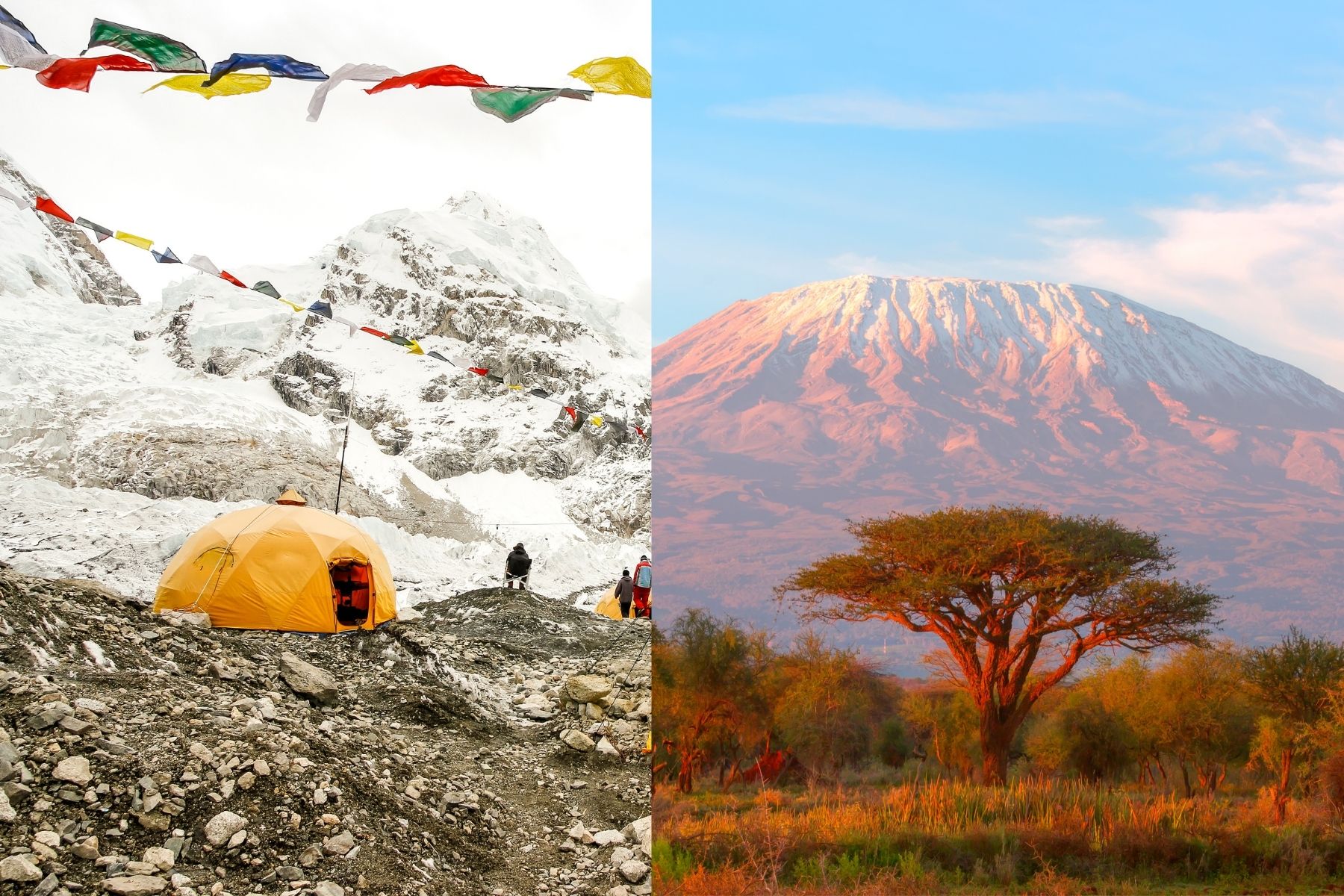
Distance ~70 km / 43 mi · Days 7 to 8 · Max altitude 5,895 m / 19,341 ft
Africa’s high point that can be reached on foot. Route length is the whole game here: summit success rates on seven- and eight-day routes are markedly better than on the five-day options, purely because of acclimatisation.
Guides are required by Tanzanian law, and porters carry the camp, so booking is straightforward and the trek can be actually relaxing. Plus, you can add an African safari to your itinerary straight away.
Tier three: real commitment
1. Annapurna Circuit, Nepal
Distance: 160 to 230 km depending on road transfers · Days 12 to 18 · Max altitude 5,416 m / 17,769 ft at Thorong La
Annapurna is the most spectacular trek across subtropical valleys to Tibetan high desert. Some claim it offers the most amazing mountain views in the world, but it’s slippery, which is why many inexperienced travelers can get injured.
The main danger on the Annapurna Circuit Trek is altitude sickness and bad weather can affect the ACAP permit, so booking in advance is essential.
2. Everest Base Camp Trek, Nepal
Distance ~130 km / 80 mi round trip · Days 12 to 14 · Max altitude 5,364 m / 17,598 ft, or 5,545 m / 18,192 ft including Kala Patthar
Everest Base Camp is the most epic trek on the list. It’s known to non-hikers and true hiking enthusiasts as contrary to its name, no actual climbing or crampons are required. The trail is well worn, and you sleep in teahouses with beds, cooked meals and often wifi. The walking itself is easier than the GR20 and easier than several trails in tier one.
Can a beginner do Everest Base Camp? Yes, with reasonable fitness and a properly paced itinerary, as it needs no technical skill. It needs patience with rest days, which is the part beginners resist, but I know a few families that did it with kids as young as 4. It’s my own kids’ dream to go!
What makes it serious is that it sits nearly 400 m higher than Rainbow Mountain’s summit, and unlike a day trip to altitude, you stay up there for over a week. Any itinerary worth booking builds acclimatisation days into Namche Bazaar and Dingboche, and gains no more than about 500 m of sleeping altitude a day above 3000 m. Cutting those rest days to save a week is the single most common reason people turn back, and it has nothing to do with fitness.
On friction: Nepal requires trekkers in its national parks to walk with a licensed guide, so this isn’t a solo trip. You’ll need a Sagarmatha National Park permit and a local municipality permit, and fees change from year to year. Flights into Lukla are weather-dependent, and a day or two of delay in either direction is normal rather than bad luck, so don’t book a tight connection home. If you’d rather not assemble permits, domestic flights, teahouse beds and an acclimatisation schedule yourself, a Kathmandu operator running a guided Everest Base Camp trek handles all of it as one booking.
3. Snowman Trek, Bhutan
Distance ~350 km / 217 mi · Days 25 to 28 · High passes 11
The Bhutan Snowman Trek is often acclaimed the world’s hardest long-distance trek. Plus, Bhutan’s tourism model requires booking through a licensed operator and paying a daily fee per traveller, so verify current rates before budgeting.
The trek that suits you is the one whose calendar you can actually meet. Plenty of people spend a year training for the Inca Trail and then discover permits went four months ago. Plenty more walk into a Patagonian ranger checkpoint without a hut reservation and get sent back down.
Sort out the paperwork and the booking windows first and then the walking part tends to look after itself.